
Fair prices. Fast approvals. Your health always comes first. Get Qualified for a Rhode Island Medical Marijuana Card Today.
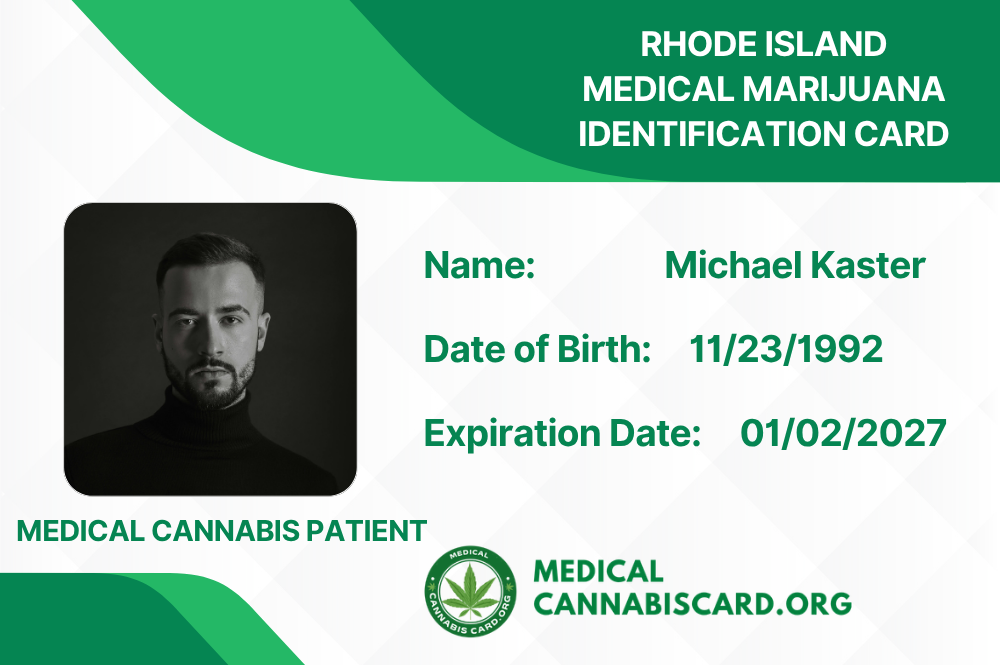
Living in the Ocean State brings a unique set of charms and challenges. From the historic triple-deckers of Federal Hill to the breezy coastal homes in Narragansett, Rhode Islanders are known for their resilience. However, many residents deal with health issues that require more than just the traditional approach. If you are looking for natural relief, you first need to understand the qualifying conditions for Medical Card in Rhode Island 2026.
This guide will help you determine if your specific health struggle meets the state’s requirements for a medical cannabis certification.
You might see people visiting dispensaries in Providence or Warwick for recreational use and wonder why a medical card is necessary. For many, it comes down to health and finances. In 2026, medical cardholders continue to enjoy significant benefits.
These include lower costs at the counter and the ability to grow more plants at home. For someone living on a fixed income in a Pawtucket apartment, those savings add up quickly.
More importantly, having a card means you are under the care of a professional. It ensures that your use of cannabis is seen as medicine, not just recreation. This distinction is crucial for legal protections and for tailoring your treatment to your specific qualifying conditions for Medical Card in Rhode Island 2026.
The Rhode Island Department of Health (RIDOH) maintains a specific list of ailments. To be eligible, a patient must be diagnosed by a licensed practitioner with one of the following “debilitating medical conditions.”
This is the most common reason Rhode Islanders seek a medical card. Whether it is from an old injury sustained at a construction site in Cranston or the wear and tear of years working on the docks, chronic pain is life-altering. The law specifies that the pain must be “severe and debilitating” and resistant to other treatments.
Rhode Island has a strong community of veterans and first responders. The state recognizes PTSD as a qualifying condition for adults aged 18 and older. For those living in the quiet suburbs of East Greenwich or the busy streets of Downtown Providence, PTSD can make daily life feel like a battle. Medical cannabis has helped many find a sense of peace and improved sleep.
These are among the original conditions listed when the program began. Cannabis is often used to manage the side effects of chemotherapy, such as severe nausea and loss of appetite. For glaucoma patients, it helps reduce intraocular pressure.
Patients dealing with these chronic viral infections often face “wasting syndrome” or cachexia. Medical cannabis can help stimulate appetite and manage the persistent fatigue and pain associated with these conditions.
If you or a loved one suffers from seizures, you know how unpredictable and scary they can be. Rhode Island law includes seizures, including those characteristic of epilepsy, as a qualifying condition.
This includes conditions like Multiple Sclerosis (MS). The damp, humid air near the Sakonnet River can often make muscle stiffness feel worse. Medical cannabis is widely recognized for its ability to relax muscles and reduce painful spasms.
Rhode Island was one of the progressive states to include Autism as a qualifying condition. This often helps patients manage related symptoms like severe anxiety or self-injurious behaviors.
Our local weather plays a huge role in how we feel. When the “Nor’easters” blow through and the humidity spikes, people with inflammatory conditions often suffer. Imagine living in a beautiful, historic home in Newport. While the architecture is stunning, these older homes can be drafty and cold in January. For a resident with severe arthritis, this weather can mean days of limited mobility.
Case Study: Robert’s Story
Robert, a 62-year-old retired boat builder from North Kingstown, spent forty years on his feet. He developed severe degenerative disc disease. “I couldn’t even walk down to the pier to watch the boats anymore,” Robert says. “I didn’t want to rely on heavy pain pills. My doctor discussed the qualifying conditions for Medical Card in Rhode Island 2026 with me, and I realized I qualified under chronic pain. Since getting my card, I’ve been able to manage my flare-ups during the winter much better. I’m back to enjoying my morning walks at Wickford Village.”
The state government continues to refine the medical program to ensure it serves those who truly need it. In 2026, there is a stronger focus on telehealth. This is great news for residents in rural parts of the state or those with mobility issues who find it hard to drive to a clinic. You can now consult with a practitioner via a secure video call from your living room.
Additionally, the state has improved the “E-Permitting” portal. This makes uploading your documents and receiving your digital card much faster. Most patients can complete the entire process online in a fraction of the time it took just a few years ago.
To get your card, you don’t just need the condition; you need the documentation. The RIDOH requires a “Practitioner Written Certification.” Here is how to prepare:
While Rhode Island legalized recreational cannabis, the medical program remains the “gold standard” for patients.
Once you have your card, you have access to the state’s licensed “Compassion Centers.” These are not just shops; they are healthcare hubs.
You deserve to live a life free from debilitating symptoms. Rhode Island’s medical marijuana program is designed to protect and support patients who have exhausted other options. By understanding the qualifying conditions for Medical Card in Rhode Island 2026, you are empowering yourself with knowledge.
Don’t let another season of New England weather pass while you sit on the sidelines. Whether it’s chronic pain, PTSD, or a complex neurological condition, there is a path forward. Check your eligibility, speak with a professional, and take the first step toward a more comfortable life in our beautiful state.